

Can I install CCTV without WiFi?
Ensuring your home or business is safe is very important today. Many people are looking into CCTV installation. But, you might ask, can you install CCTV without WiFi? The answer is yes, thanks to various security camera options that work without WiFi.
These options use cellular technology and local storage. They are perfect for homeowners and businesses in Singapore. You’ll learn about the benefits and challenges of both wireless and wired systems.
Key Takeaways
- CCTV installation is possible without relying on WiFi.
- Offline CCTV offers robust security features tailored for local setups.
- Cellular technology enhances CCTV options for areas lacking internet.
- Understanding the pros and cons of wired vs wireless systems is key.
- Local storage methods provide secure options for managing video footage.
Understanding CCTV Systems
CCTV systems, or Closed-Circuit Television systems, are key in security monitoring. They use a network of cameras that send video to monitors. Their main goal is to boost safety in homes and businesses.
At the core of CCTV systems are cameras, recording devices, and monitors. Cameras capture live video, which is saved for later by recording devices. This is vital for checking on incidents and keeping records.
CCTV systems are not just for home security. They are also vital in law enforcement and business. They help watch over employees, prevent theft, and provide evidence in crimes. Their ability to adapt makes them essential for security in many areas.
Types of CCTV Cameras
It’s important to know the different types of CCTV cameras to choose the right one. The main types are analog cameras, HD-over-coax cameras, and IP cameras.
Analog cameras have been used for years. They send video signals through coaxial cables. They offer good quality but can’t match newer tech in resolution and features.
HD-over-coax cameras are a big step up. They give high-definition footage and use traditional coaxial connections. But, they’re not as common as other types, making them hard to find in some places.
IP cameras are the latest and greatest. They have high resolutions, advanced features, and can connect to networks. Many people choose IP cameras because they’re easy to add to existing networks and grow with your needs.
Benefits of Installing CCTV Without WiFi
Installing CCTV systems without WiFi has big advantages. One key benefit is their reliability. These systems work on their own, without needing the internet. This means they keep watching, even when WiFi is shaky.
Another big plus is the security without WiFi. Without the internet, these systems are less likely to get hacked. This gives users a sense of safety. Plus, the footage stays safe on local storage, away from online dangers.
These systems also save money. You don’t need to pay for data plans or internet services. This makes them a smart choice for homes and businesses looking to save.
To wrap it up, offline CCTV systems offer great security, reliability, and cost savings. They are a smart pick for keeping things safe and secure.
Can I install CCTV without WiFi?
Yes, you can install CCTV without WiFi. There are many non-WiFi CCTV solutions available. They work well even without internet. This is great for places where WiFi is not available.
Explanation of Non-WiFi Solutions
Non-WiFi CCTV systems use local storage and cellular data. They are perfect for areas without WiFi. For example, Arlo Go and Reolink Go use cellular networks. They record footage offline and store it on MicroSD cards or DVRs.
Common Use Cases for CCTV Without WiFi
There are many situations where CCTV without WiFi is useful. Here are a few examples:
- Remote properties, like farms, where internet is not available.
- Construction sites that need monitoring but don’t have reliable WiFi.
- Emergency situations where quick access to footage is needed, but WiFi is not reliable.
Wireless vs Wired CCTV Systems
Choosing between wireless CCTV and wired CCTV systems is a big decision. Each has its own benefits and drawbacks, fitting different needs and tastes.
Wireless CCTV systems are easy to install. You can place cameras anywhere without dealing with cables. But, they might get affected by other wireless signals, which can lower their performance.
Wired CCTV systems offer better video quality and less chance of signal loss. They need professional help and more time for setup because of the cables. But, the quality and reliability they provide are worth it in the long run.
When comparing systems, think about the area you need to watch, how you’ll install it, and your budget. Wireless systems are great for those who want simplicity. Wired systems are better for places needing strong and secure surveillance.
Local Storage Options for CCTV Systems
Local storage is key for CCTV systems that don’t need WiFi. Using MicroSD cards and DVR setups offers flexibility. These options make sure your surveillance is effective.
Using MicroSD Cards
MicroSD cards are a top pick for CCTV systems. They record high-definition video easily. They’re great when cameras don’t need the internet.
They have features like motion detection. This means cameras only record when needed. Users like how easy it is to swap or upgrade these cards, with sizes up to 128GB.
Connecting to DVR/NVR
Connecting to a DVR or NVR is another smart choice. It makes managing footage easy. It’s a simple way to store, view, and back up videos locally.
Many users like this because it keeps their data safe. It also means they can watch footage without any problems.
Cellular Security Cameras and Their Functionality
Cellular security cameras have changed how we watch over places. They use 4G surveillance instead of WiFi. Models like Arlo Go and Reolink Go work well where internet is spotty.
These cameras need a cellular data plan to work. This lets users watch and control them from their phones. They send alerts when they see something, keeping you calm no matter where you are. This is great for places like construction sites or camping trips.
Arlo Go and Reolink Go stand out because they don’t rely on WiFi. This means you can always see what’s happening, no matter where you are. They’re perfect for anyone who needs to keep an eye on things, even when they’re not at home.
In short, cellular security cameras are a smart choice for those who need flexibility and reliability. They fill a gap left by WiFi-only cameras, making them a great addition to any security system.
Popular Models of CCTV That Don’t Require WiFi
Looking for reliable surveillance? There are many CCTV models without WiFi. The Arlo Go and Reolink Go are top picks for their special features.
The Arlo Go has a long battery life, perfect for places far from power. It alerts you when it sees movement. It also has cloud storage for easy access to footage, even without internet.
The Reolink Go is known for its flexibility. It stores footage on MicroSD cards, keeping it private. It’s great for outdoor use because of its night vision and weather resistance.
People love these cameras for how easy they are to set up and how well they work. They’re great for anyone who wants to monitor without WiFi. They’re also popular in places like Singapore.
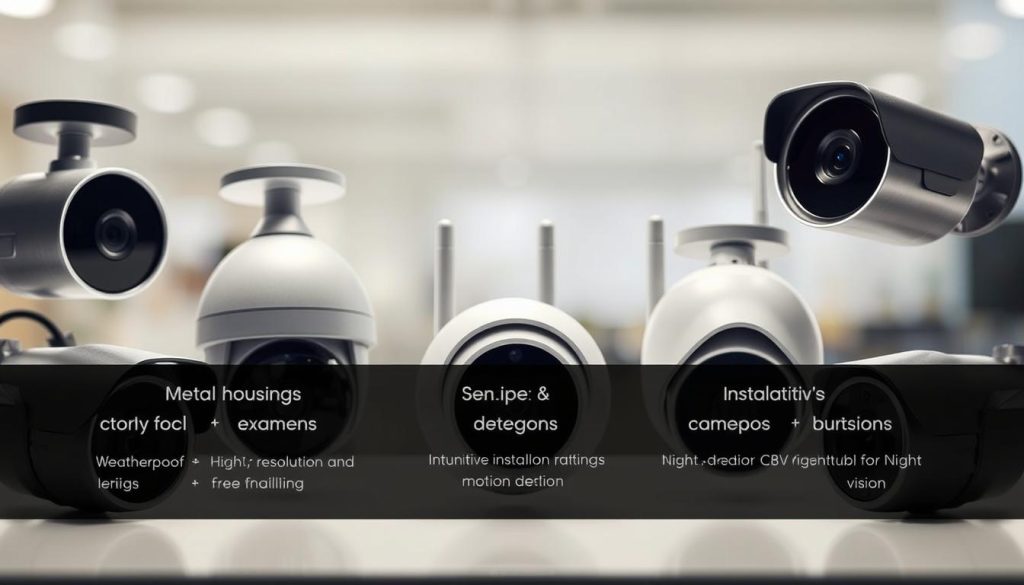
Want more features? Check out solar-powered options. They’re part of the non-WiFi security cameras lineup. They’re green and efficient for surveillance systems.
Installation Process for CCTV Without WiFi
Setting up a CCTV system without WiFi is easy if you know the steps. It’s important to plan and execute carefully for a good setup. Knowing the basic steps will make the process easier.
Basic Setup Steps
The first steps in setting up a CCTV system are:
- Planning your camera placement: Find out where you need coverage and where cameras should go.
- Wiring: Lay cables from each camera to your monitoring device. Make sure cables are secure to avoid damage.
- Connecting the system: Connect cameras to power and to the DVR/NVR with the right cables.
- Setting up the monitoring device: Connect your DVR/NVR to a display monitor to see the camera feeds live.
- Testing: Turn on the system and check each camera to make sure they’re working right.
Tools Required for Installation
To install a CCTV system well, you’ll need some tools:
- Cables: Use coaxial or Ethernet cables based on your camera type.
- Drill: For mounting brackets and running cables.
- Screwdriver: To secure screws in mounts.
- Wire stripper: To get cables ready for connections.
- Level: To make sure cameras are installed at the right angle.
Cost Considerations for CCTV without WiFi
Exploring CCTV costs means looking at the money side of non-WiFi systems. The price of cameras can change a lot, depending on their features and tech. For those on a tight budget, non-WiFi cameras can be a cheaper choice than wireless ones.
The cost of non-WiFi systems is lower because they don’t need WiFi. This means no monthly data fees. This can save a lot of money over time, which is great for those who don’t want to pay subscription fees.
When thinking about CCTV costs, remember to consider installation and upkeep too. Even though some models might cost more upfront, they can save money in the long run. This is because they don’t have the ongoing WiFi fees.
Security and Privacy Concerns
Non-WiFi CCTV systems offer big advantages in CCTV privacy and data security. They are less vulnerable to hacking because they don’t need a network connection. Many in Singapore choose these systems to keep their footage safe.
Physical security is key to protecting your footage. Using local storage like MicroSD cards or DVR systems helps. It keeps data safe from outside threats by not needing the internet.
But, it’s important to know about the risks. Offsite storage can have its own dangers. Understanding CCTV privacy means more than just tech choices. It’s about being proactive and controlling who can access your footage.
Alternatives to WiFi-Dependent CCTV Systems
Technology keeps getting better, and alternatives to WiFi CCTV are now available. These include battery and solar-powered cameras. They don’t need WiFi, making them great for off-grid surveillance.
These cameras can be placed anywhere easily. They work well in remote areas without the need for wires. This makes them perfect for keeping an eye on things without any hassle.
It’s important to have reliable storage for these systems. Many come with built-in storage. This means you can keep recording without needing the internet.
Systems that work with local storage devices like DVR or NVR are also good. They help keep your data safe and secure.
For more information on off-grid surveillance systems, check out solar-powered cameras with SIM card connectivity. These systems are not only secure but also easy to use. They fit a wide range of needs and places. Using these alternatives can change how you think about security at home or work.
FAQ
Can I install a CCTV system without an internet connection?
Yes, you can install a CCTV system without WiFi. Use cellular tech and local storage like MicroSD cards or DVR/NVR systems. These are great for places with no reliable internet.
What are the advantages of using CCTV systems without WiFi?
The big plus is they’re more reliable and less likely to get hacked. You also don’t need to pay for data every month. Plus, local storage keeps your footage safe from the internet.
How do cellular security cameras work?
Cameras like the Arlo Go and Reolink Go use 4G or 5G networks. They need a data plan for remote viewing and alerts. This makes them perfect for areas without WiFi.
What types of CCTV cameras can I choose from?
You can pick from analog cameras, HD-over-coax cameras, or IP cameras. Analog cameras use cables, HD-over-coax gives better quality, and IP cameras offer advanced features but cost more.
What storage options are available for non-WiFi CCTV systems?
Non-WiFi systems often use MicroSD cards for recording when motion is detected. They can also connect to a DVR or NVR for constant video without needing the internet.
Are there any popular models of non-WiFi CCTV systems?
Yes, the Arlo Go and Reolink Go are popular. They have features like motion detection and local storage. They’re great for places with no or little internet.
What steps are involved in the installation process of non-WiFi CCTV systems?
First, connect cameras to a monitor or DVR/NVR. You’ll need tools like cables and a drill set. It’s easy to do, even if you’re not tech-savvy.
What are the cost implications of installing CCTV without WiFi?
Costs depend on the equipment, data plans, and savings from no subscription fees. Compare these to WiFi cameras to figure out your budget for surveillance.
How can I ensure the security and privacy of my CCTV footage?
Choose non-WiFi systems to avoid hacking risks. Add physical security to your cameras and storage. This keeps your footage and privacy safe.
What alternatives exist for WiFi-dependent CCTV systems?
Consider off-grid options like battery or solar-powered cameras. They work well in areas without power or internet. They ensure you get reliable surveillance.


