
Optimal CCTV Cameras Count for Your Property
Ever thought about *how many CCTV cameras should I have* to keep my property safe? It’s not just about how many. It’s about what your property needs. Whether you live in a house or run a business in Singapore, finding the right number of cameras is key.
For homes, 2 to 6 cameras usually do the trick. But businesses might need 16 to 64 cameras, depending on their size. By looking at your property’s layout and key spots, you can figure out the best camera number. This way, you get good coverage without spending too much.
For expert advice on CCTV solutions and deals, call Wen Hong at +65 60135960 today!
Key Takeaways
- Residential properties generally need 2-6 cameras, whereas businesses may require 16-64.
- Consider your budget, focusing on investing in the recorder for scalability.
- Map your property layout to determine ideal camera placements.
- Assess areas with higher crime rates to prioritize camera installations.
- Installing cameras at exits and vulnerable locations is critical for home security.
Understanding the Importance of CCTV Cameras for Security
CCTV cameras are vital in today’s world. They help keep properties safe by scaring off criminals. They also give people peace of mind by watching over important areas.
These cameras capture evidence and help monitor spaces. This makes everyone feel safer and more confident in their surroundings.
Cameras come in different types for various needs. Commercial places need high-resolution cameras, while homes need night vision for all hours. Outdoor cameras are built to last, even in bad weather.
Studies show that crime drops when CCTV cameras are used. This is true for shops and banks, where trust is key. Surveillance also helps improve customer service and staff performance.
If you need help choosing the right security cameras, call Wen Hong at +65 60135960. Learn about the latest CCTV options and deals.
Assessing Your Property’s Security Needs
Understanding your property’s security needs is key to a good security assessment. Knowing what you need helps homeowners and businesses pick the right number of CCTV cameras. The layout of your property is important, as different areas have different risks.
For homes, focus on securing doors and windows. Most homes do well with two to six cameras. It’s important to watch areas like garages and back doors to keep intruders away.
Businesses face more challenges, often needing a detailed plan. Large outdoor areas might need up to ten cameras for full coverage. It’s important to consider how people move around and where they enter.
Studies show visible security cameras can cut burglary risks by 31%. This highlights the need for the right number and placement of cameras. Cameras in driveways and backyards help catch issues early. Making sure all sides of your property are covered is key to safety.
Many without security systems want to install cameras once they see the benefits. Buying camera bundles can be a smart, affordable way to start. When looking at your security needs, consider getting help from experts to find the best solutions.
Contact Wen Hong today at +65 60135960 to learn more about CCTV solutions and offers that fit your security needs.
How Many CCTV Cameras Should I Have?
Figuring out how many security cameras you need involves looking at a few key things. The size and layout of your property matter a lot. So does what kind of security you need. Knowing these can help you set up a good surveillance plan.
Factors Influencing CCTV Camera Count
When deciding on camera numbers, think about these points:
- Property Size: Bigger places need more cameras to cover everything.
- Access Points: Watch all doors and windows, as they’re key spots to monitor.
- Vulnerable Areas: Areas like parking lots and spots hard to see often need more cameras.
- Camera Capabilities: Things like wide-angle lenses or night vision can help cover more with fewer cameras.
- Budget: Keep in mind the cost; starting small can be cheaper and easier to grow later.
Typical Numbers for Residential vs. Commercial Properties
For homes, 2 to 6 cameras usually work well. This might include:
- 1 outdoor camera on the front porch
- 1 doorbell camera
- 2 outdoor cameras for the front and back yards
- 3 outdoor cameras on either side of the house
- 4 indoor cameras in common areas like living rooms and hallways
- 2 indoor cameras in kids’ or valuable item rooms
Businesses, on the other hand, often need more, from 16 to 64 cameras. The exact number depends on the property’s layout and what the business wants to watch. Many businesses focus on watching both inside and outside to deter and monitor well.
Talking to security experts can give you great advice on what you need. They can help you figure out the best camera setup for your place. Want to improve your security? Call Wen Hong today at +65 60135960 to learn about the latest CCTV options and deals.
Surveillance Camera Placement Strategies
Effective surveillance camera placement boosts your property’s security. Finding the best essential installation locations is key. It helps monitor risky spots and stops crime. Strategic placement ensures full coverage with fewer cameras.
Key Areas to Install CCTV Cameras
Focus on key spots to strengthen your security. Good places for cameras include:
- Ground-floor doors and windows
- Main stairs or hallways
- Common areas with lots of people
- Driveways or parking lots for car activity
Also, think about adding cameras in other areas like:
- Yards for outside monitoring
- Second floors for upper-level safety
- Basements or garages for less visited spots
Maximizing Coverage with Minimal Cameras
Use PTZ or fisheye cameras for wide views. They let you watch important areas with fewer cameras. Place cameras eight to 10 feet high for better sight and less tampering risk.
Make sure cameras don’t miss anything. Position them to see everything without being too obvious. Also, keep them close to valuable things so they’re in view.
Need specific advice on your CCTV system? Call Wen Hong at +65 60135960. Learn about the latest CCTV solutions and deals.
Calculating the Optimal Number of Security Cameras
Finding the right number of security cameras for your property takes careful planning. Knowing your property’s layout is key to spotting important areas to watch. This helps ensure you have the right number of cameras for homes and businesses.
Using Your Property’s Layout for Effective Security
The size and design of your property affect how many cameras you need. Homes usually have 2 to 6 cameras for key spots like the front porch and living room. Businesses, being larger, often need 16 to 64 cameras to cover more ground.
- Front porch
- Driveway
- Backyard
- Main entrances
- Parking lots
- Cash registers
Using cameras that can watch over more than one area can help save on costs. This way, you get good coverage without needing too many cameras.
Budget Considerations in Camera Selection
Your budget is important when picking security cameras. Prices vary, from about $50 for basic models to hundreds for top-of-the-line ones. In places like Ontario, installation costs can be between $900 and $1,600, depending on what you choose.
| Camera Model | Price Range | Key Features |
|---|---|---|
| Dahua TiOC Camera | $100 – $300 | HD resolution, two-way communication, night color vision |
| Reolink 4K Smart PoE System | ~$500 per camera | Color night vision, expandable storage |
| TP-Link Tapo 2K QHD | ~$50 | Motion detection, two-way audio |
| Flex Point Security Setup | ~$300 per camera | Includes installation and connectors |
Choosing the right number of cameras and their recording features can save money in the long run. If you’re thinking about upgrading your security, call Wen Hong at +65 60135960. They can tell you about the latest CCTV solutions and offers.
Understanding Camera Types and Features
Choosing the right CCTV camera types is key for a good security system. Each model has special features for different needs and places. You should think about the area, lighting, and why you need surveillance.
Resolution and Frame Rate Implications
Resolution is important for clear video. High-definition cameras give sharper images for better identification. The camera’s frame rate also matters for smooth video. For important areas, pick a camera with high resolution and good frame rate.
Outdoor vs. Indoor Cameras: What to Consider
Choosing between outdoor and indoor cameras involves several factors. Outdoor cameras need to be weatherproof and have infrared. They can show colors in the dark without extra light. Indoor cameras, like dome cameras, are good for subtle monitoring and can stop crime. They are easy to install and hard to damage.
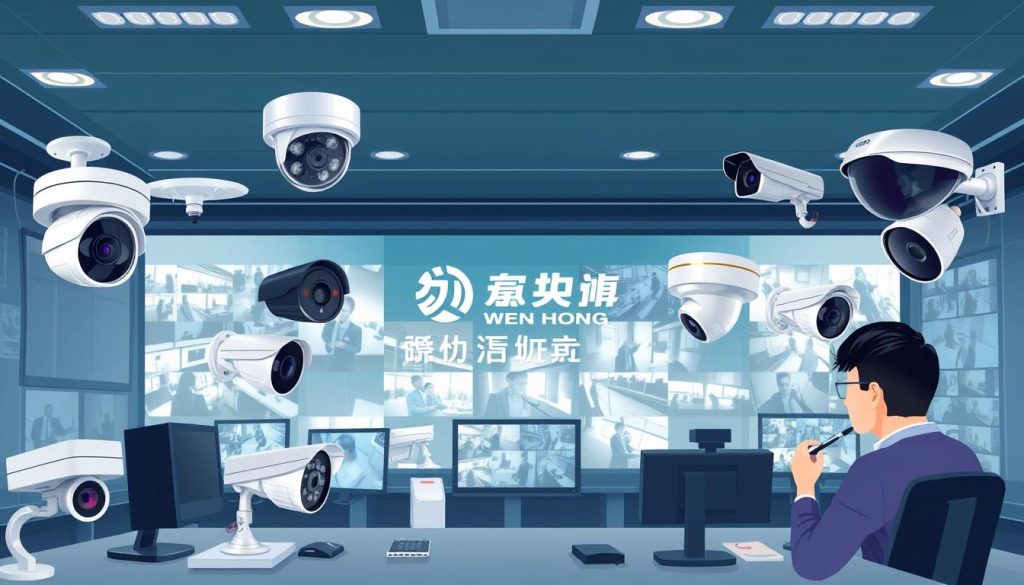
| CCTV Camera Types | Key Features | Best Use Scenarios |
|---|---|---|
| High-Definition Cameras | High resolution for clear image capture | High-risk areas like banks |
| PTZ Cameras | Pan, tilt, zoom functionalities | Large spaces such as retail stores |
| Dome Cameras | Vandal-resistant, discreet design | Indoor locations like malls |
| Bullet Cameras | Long-range capability | Outdoor coverage of perimeters |
| Network Cameras | Internet communication for remote viewing | Commercial and residential usage |
Knowing what each CCTV camera type offers helps you make better choices. Call Wen Hong today at +65 60135960 to learn about the latest CCTV solutions and how they can meet your security needs.
Evaluating CCTV Camera Coverage Assessment
Checking how well your CCTV cameras work is key to keeping your place safe. A detailed check of your CCTV system makes sure all important spots are watched. It also finds blind spots where bad guys might sneak in.
Identifying Blind Spots in Your Security Setup
Blind spots happen when cameras miss some areas, leaving them open to intruders. It’s critical to watch busy spots like doors and windows to stop crime. Smart camera placement helps track movements and helps solve crimes.
It’s smart to check your setup often, like after making changes or updates. Each camera should cover a specific area well, without too much overlap. Good lighting is also key for clear video.
Employing Advanced Technology for Coverage Analysis
Modern tech can make your CCTV check much better. Tools like 360-degree cameras and simulations show how well your system works. Motion detection alerts you right away and helps focus on where things are happening.
AI-powered video analytics can spot people, even in dark places. This is super helpful for keeping quiet areas safe. Using these tools ensures your system is strong and covers all important areas. For top-notch CCTV advice, talk to experts today.
Want to learn more about keeping your property safe? Call Wen Hong at +65 60135960. They’ll tell you about the latest CCTV tech and deals.
Developing a Comprehensive Surveillance Plan
Starting a good security plan means having a solid surveillance plan. This plan includes CCTV and other security tools. It makes sure everything works well together, making your place safer and more efficient.
Integrating Cameras with Other Security Devices
When making a surveillance plan, linking CCTV cameras with other security tools is key. Think about combining:
- Alarm Systems: Alarms and CCTV can work together to quickly respond to threats.
- Motion Detectors: These can start recording when they see movement, saving space on storage.
- Access Control Systems: Linking cameras with these systems helps watch over who comes in, improving security.
These integrations make your surveillance system much better. They let owners quickly handle any problems.
Cost-effective Solutions for Small Properties
Small places need affordable security without losing quality. Focus on key spots for cameras, like:
- Entry and Exit Points: Cameras here catch important footage of people coming and going.
- Common Areas: Cameras in shared spaces keep everyone safe.
- Perimeter Surveillance: Watching the property’s edges is the first defense.
Picking reliable cameras from known brands can save money without losing quality. Smart choices in placement and technology make a good surveillance plan that fits your budget.
For help with CCTV and the latest deals, call Wen Hong at +65 60135960.
Best Practices for Maintaining Your CCTV System
Regular maintenance is key to your surveillance system’s success. Here are some effective ways to keep your CCTV system in top shape:
- Regular Inspections: Check cameras often for damage, misalignments, or blockages. This helps them last longer.
- Firmware and Software Updates: Keep your system’s software up to date. This boosts performance and security.
- Optimal Camera Placement: Place cameras where they can see the most important areas. This ensures you can monitor effectively.
- Testing Recording Functions: Make sure recording and playback work well. This helps catch problems early.
- Personal Protection Integration: Use CCTV with personal and manned guards for better security.
- Routine Professional Inspections: Get experts to check your system regularly. They can spot issues you might miss.
- Cleaning Camera Lenses: Clean camera lenses every three months. This keeps images clear and sharp.
More steps include checking the power supply and the system’s recording capacity weekly. Also, make sure hard drives work well. Good data management and accurate timestamps are vital for evidence.
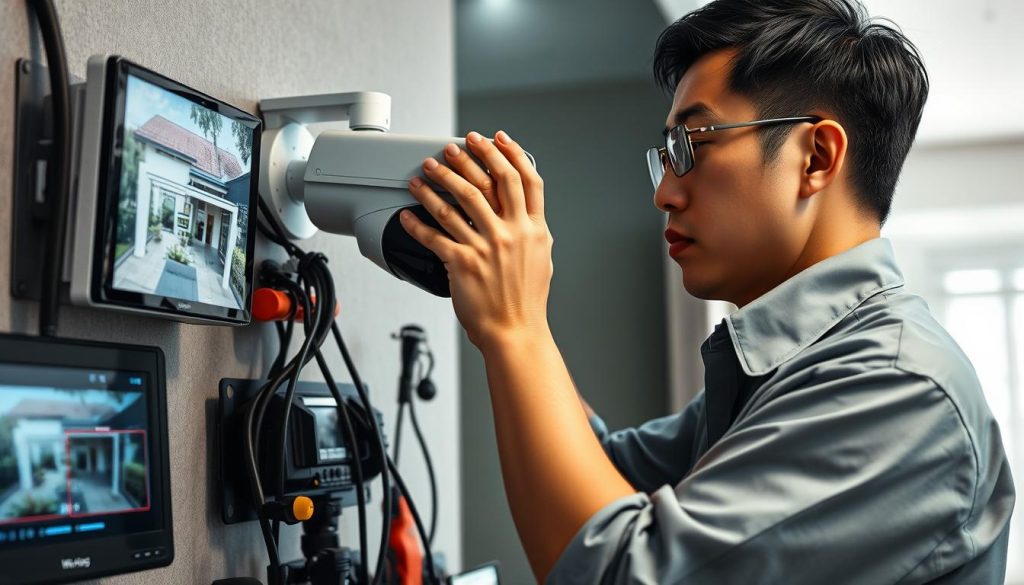
To keep your surveillance system in the best condition, consider adding post signs. These steps not only protect your space but also make your CCTV system more effective. For the latest in CCTV solutions and offers, contact Wen Hong at +65 60135960.
Common Mistakes to Avoid When Planning CCTV Installation
Knowing common mistakes in CCTV installation is key to good surveillance. Choosing the wrong camera is a big error, making up 63% of mistakes. This can lead to poor security performance.
Incorrect camera placement is another big issue, affecting 48% of installations. This can be due to wrong height, angle, or obstructions. Proper placement can boost surveillance by up to 30%.
Lighting is also critical, with 55% of CCTV failures caused by it. Poor lighting can reduce image quality by 40%, mainly at night. Cameras need to be in well-lit areas for clear images.
Ensuring cameras are securely mounted is important. 42% of cameras are at risk of tampering or movement. Regular checks and maintenance are essential, as 51% of malfunctions come from neglect.
Underestimating storage needs is a common mistake, causing 37% of errors. Proper planning is key to avoid running out of space. Also, ignoring cabling and power needs, which cause 56% of failures, can lead to issues.
Network security is also vital, as 33% of breaches are due to weak protections. Weak passwords and unsecured connections are major risks. Also, forgetting about future expansion can increase costs by 25%.
Using high-quality equipment is important. Good cameras can make systems 25% more reliable. Cloud storage is also a better choice, with up to 50% more capacity than traditional options.
Regular checks can prevent up to 80% of failures from dust and debris. Considering these points can greatly reduce mistakes in CCTV installation. For the best results, contact Wen Hong today at +65 60135960 to learn more about CCTV solutions and offers.
Benefits of Professional CCTV Installation Services
Getting professional CCTV installation services has many benefits for property owners. Experts in this field know how to create surveillance solutions that fit your needs. They make sure your security system works well and gives you peace of mind.
When to Consider Expert Help
It’s important to get expert help when you need to improve your security. A security expert can check your place and find the best spots for cameras. They also help pick the right equipment for clear images, which is key for evidence.
Creating a Custom Security Plan
Creating a custom security plan is key for good surveillance. Professionals make a plan based on your property’s needs. This plan might include:
- Ongoing maintenance for system functionality and troubleshooting.
- Implementation of advanced technologies such as AI-based video analytics for proactive security measures.
- Integration of IoT capabilities for cloud-based video streaming.
- Utilization of 5G-enabled CCTV for enhanced image clarity and faster data transfer.
- Incorporating thermal imaging features for night-time surveillance and fire detection.
With companies like Scutum South East, you get good prices and experience. Also, a professional security system might get you up to 20% off insurance. This is a big reason to choose expert services.
For custom CCTV solutions and support, contact Wen Hong today at +65 60135960. Learn more about the latest CCTV options and offers.
Conclusion
Figuring out the right number of CCTV cameras for your place is key to better security. A good CCTV plan helps protect homes and businesses well. Knowing your needs helps you see where more cameras are needed to keep threats away.
Getting a good surveillance system is very important. Homes usually need 2 to 6 cameras, while businesses might need 16 to 64. Thinking about your budget is also important, as it helps you grow your system later. Placing cameras smartly can make your security setup much stronger.
For the best in surveillance, reach out to Wen Hong today at +65 60135960. They offer the latest CCTV solutions and plans made just for you. Keeping your property safe gives you peace of mind.
FAQ
How many CCTV cameras should I have for my home?
For homes, 2 to 6 cameras are usually enough. This depends on your property’s size and your security needs.
What factors influence the number of CCTV cameras needed?
Several things affect how many cameras you need. These include your property’s size, layout, and access points. Also, any areas that are more vulnerable need extra monitoring.
How do I determine the optimal number of security cameras for a business?
Businesses might need 16 to 64 cameras. This depends on the property’s size and security needs. Areas with lots of people and multiple entry points need more cameras.
Where should I place my CCTV cameras for maximum coverage?
Place cameras at entrances, exits, parking lots, and areas prone to problems. This ensures you get the best surveillance.
What types of cameras should I consider for my CCTV system?
Choose cameras based on their features. High-resolution cameras are great for clear images. Outdoor cameras must handle weather. Indoor cameras have different needs.
How can I effectively assess my existing CCTV camera coverage?
Check for blind spots in your security. Use tools like simulation software or 360-degree cameras to see if you’re covered well.
What should be included in a complete surveillance plan?
A good plan includes cameras, alarm systems, motion detectors, and access control. This gives you a full security solution.
How important is regular maintenance for CCTV systems?
Keeping your system in good shape is key. Clean lenses and update software regularly. Also, review footage often to make sure your system meets your security needs.
What common mistakes should I avoid when planning CCTV installation?
Don’t ignore where to place cameras or underestimate how many you need. Also, avoid using low-quality equipment. Good planning and expert advice are important.
When should I consider professional CCTV installation services?
Get professional help for complex tasks. They can help choose the right equipment, place cameras correctly, and set up a system that fits your needs.
Source Links
- https://nellyssecurity.com/blogs/articles/how-many-security-cameras-do-i-need-a-step-by-step-guide?srsltid=AfmBOopT-KScWEGRsM4Ni7BfPzQjmwYliHO-6d3fp5wz2ydM4ybjLOuL
- https://www.justicesecurity.co.uk/blogs-item/how-many-security-cameras-do-i-need
- https://www.familyhandyman.com/article/how-many-security-cameras-do-i-need/?srsltid=AfmBOoqgMgL3ZWNEMLln2H9fWz1I3oYpSE1EkKFlobQss-VleIaQmHoF
- https://www.isecure.com.sg/article/how-to-choose-the-right-cctv-camera-for-your-needs
- https://casasecurity.com.au/the-importance-of-cctv-cameras-in-public-and-private-security/
- https://www.surveillancezone.com.sg/everything-you-need-to-know-about-cctv-cameras-for-protection/?srsltid=AfmBOooL3c2JwX2KPKCMDTYYGh3tpY5R_s0MEnvTKd4ZG7g5H47QLbgH
- https://allroundsecurity.co.nz/blog/how-many-cctv-cameras-do-i-need-for-my-home/
- https://blog.arlo.com/best-security-setups/how-many-security-cameras-do-i-need/
- https://casasecurity.com.au/how-many-security-cameras-should-you-have-in-your-home/
- https://pro-vigil.com/blog/how-many-security-cameras-do-i-need/
- https://nellyssecurity.com/blogs/articles/how-many-security-cameras-do-i-need-a-step-by-step-guide?srsltid=AfmBOooUohXDMInjudjjSZIqh9hS68nmhUcOVSyyeysXbiSlxX7wm_5w
- https://www.adt.com/resources/how-many-security-cameras-do-i-need
- https://www.dtiq.com/resources/camera-placement-for-surveillance-security
- https://www.security.org/security-cameras/placement-guide/
- https://nellyssecurity.com/blogs/articles/how-many-security-cameras-do-i-need-a-step-by-step-guide?srsltid=AfmBOoq8hiP-ip-BKyNQUqX6OJ1WRlk_HwAc_9kQcPeh9mFT3eGMT-Qe
- https://fpsecurity.ca/how-many-security-cameras-do-you-need-for-your-home/
- https://www.caughtoncamera.net/news/different-types-of-cctv/
- https://www.avigilon.com/blog/types-of-cctv-cameras
- https://www.cctv-camera.com.sg/articles/cctv-camera-placement-for-maximum-deterrence.html
- https://safeguardsystems.co.uk/cctv-security-cameras/how-many-cctv-cameras-protect-business/
- https://nellyssecurity.com/blogs/articles/how-many-security-cameras-do-i-need-a-step-by-step-guide?srsltid=AfmBOorNge4fRcbf_gfr0KJ74R25yO_nzE_ycaAXo0m2M0Y4Qifw4sZK
- https://www.linkedin.com/pulse/guide-effective-video-surveillance-system-planning-august-bearman
- https://www.1stclassprotection.co.uk/blog/6-tips-maintaining-your-cctv-security-system/
- https://brillianttechnology.com.au/practical-tips-for-maintaining-your-cctv-security-system/?srsltid=AfmBOoo1puJYrPf3LLz5zIRHxFPgNZw3JnAsKRLmcl1A1PIihmJSRSLT
- https://www.surveillancezone.com.sg/cctv-maintenance-and-best-practices-for-security-systems/?srsltid=AfmBOorSJ5zLU-vpj9qFl9VQsY82Ijnv1Uk-3N4SnW-3SeHo9LBPut0C
- https://www.libertyuae.com/blog/mistakes-to-avoid-when-installing-cctv-cameras/
- https://www.smartsecures.com/blog/cctv-install-mistakes
- https://www.scutumsoutheast.co.uk/help-advice/the-benefits-of-professional-cctv-installation/
- https://caitsinfo.com/10-benefits-of-professional-cctv-camera-installation-services/
- https://nellyssecurity.com/blogs/articles/how-many-security-cameras-do-i-need-a-step-by-step-guide?srsltid=AfmBOorqoztETXVR3TKftquX48Gj0odblU8inmp7wp9gWvhGkmgMFlrO
- https://www.a1securitycameras.com/blog/advantages-and-disadvantages-of-using-security-cameras/?srsltid=AfmBOoqJZKMnpxMta3dD2-zW9ZyB0FAe9GjIiWhrWF__LZGmP24hm2oE


