

Types of Maintenance of CCTV in Singapore Explained
Have you ever thought about what could happen to your surveillance system if you don’t maintain it? In Singapore, taking care of your CCTV is key for keeping your equipment running and your place safe. Regular checks can save you money and make sure you follow the law. This article will cover the different maintenance options, giving you tips on how to keep your CCTV cameras in top shape.
Understanding the importance of CCTV maintenance is vital for businesses in Singapore. It helps you make smart choices about your security systems.
Key Takeaways
- Regular maintenance can reduce equipment failures by up to 30%.
- 87% of security breaches could have been prevented with proper maintenance.
- Different maintenance plans cater to varying needs and coverage options.
- Regular checks can prevent cyberattacks on outdated systems.
- Wen Hong Engineering offers tailored maintenance solutions suited for Singapore’s climate.
- 24/7 emergency support is often included in CCTV maintenance plans.
If you’re interested in learning more about the latest CCTV solutions and offers, don’t hesitate to contact Wen Hong today at +65 60135960.
Importance of CCTV Maintenance
In Singapore, keeping CCTV systems in top shape is key. Regular maintenance ensures they work well. This means you get clear footage and can watch live feeds without issues.
Ignoring maintenance can cause big problems. Systems might fail, leaving places less safe. This puts businesses and their customers at risk.
Keeping CCTV systems in good condition helps them last longer. Small problems caught early can save a lot of money. This way, you can use your budget better over time.
Following the law is also important when it comes to CCTV. It helps avoid fines and keeps everyone safe. Also, it makes sure the footage is good for legal use.
Knowing about different CCTV types is helpful. Each one needs its own care plan. With the right maintenance, these systems can work better and keep places safer.
Want to boost your security? Call Wen Hong at +65 60135960. They can tell you about the latest CCTV options and deals.
What are the types of maintenance of CCTV?
It’s key to know the different maintenance types for CCTV systems to keep them working well. There are three main types: regular checks, preventive care, and fixing problems as they happen. Each one is important for CCTV systems to work right and be reliable.
Regular Inspections
Regular checks are a big part of keeping CCTV systems in top shape. These checks make sure cameras and cables are working right. They help find problems early, so they don’t cause big issues later.
Having a set schedule for these checks helps keep security systems running smoothly. This is very important because businesses are more likely to face property crimes than homes.
Preventive Maintenance
Preventive care stops problems before they start. This includes updating software and cleaning camera lenses every six months. Keeping lenses clean and checking for blockages helps keep images clear.
Following these preventive steps helps keep the system strong and working well. It reduces the chance of problems and keeps the security system running smoothly.
Corrective Maintenance
Corrective maintenance fixes problems after they’re found. This includes fixing or replacing broken parts and solving software issues. Quick action to fix problems keeps security strong and reduces downtime.
By fixing issues fast, businesses can keep their security up and avoid theft and damage.
For a full security solution that follows CCTV maintenance best practices, reach out to Wen Hong today. Call +65 60135960 to find out about the latest offers and solutions.
Benefits of Regular CCTV Maintenance
Keeping your CCTV system in top shape has many benefits. It boosts security and helps manage costs. Regular checks also make your equipment last longer.
Enhanced Security
Regular maintenance keeps cameras working well. This means they can watch over your area all the time. It also helps catch criminals and keeps your place safe.
By following NIS Gold standards, you show you’re serious about security. This makes it hard for intruders to get in.
Cost Efficiency
Regular maintenance saves you money in the long run. It stops unexpected repairs and keeps costs down. Even though it might cost a bit upfront, it’s worth it to avoid big expenses later.
By keeping your system in good shape, you can delay buying new equipment. This saves you money and keeps your security up to date.
Increased Longevity
Regular checks make your CCTV system last longer. Using special software helps keep track of your equipment. This reduces damage and keeps your system running smoothly.
Professional services, like cleaning lenses and checking power, are key. They prevent problems that could shut down your system. This keeps your security up to date and effective.
For custom security solutions, call Wen Hong at +65 60135960. Check out our latest CCTV options. They ensure your place is safe and secure.
CCTV Maintenance Best Practices
Keeping your CCTV system working well means following certain maintenance tips. These practices help your security system last longer and work better.
It’s key to clean camera lenses regularly. Do this every three months to keep cameras in top shape. Also, check power supplies to avoid camera failures from lack of power. Inspecting cable connectors often keeps power flowing and service running smoothly.
Make sure cameras are in waterproof cases. This guards against moisture damage, common in Singapore’s humid weather. Check connectors often and replace any that are corroded to keep signals strong and avoid damage.
For the best results, keep camera lenses clear. Clean DVR/NVR units to prevent overheating and ensure they work well. Also, check camera positions to improve coverage and angles, boosting surveillance quality.
A good maintenance plan should include:
- Inspecting cables for wear and damage.
- Testing camera functionality and image quality.
- Ensuring recording equipment has enough storage.
- Validating motion detection settings and alert accuracy.
Always keep outdoor camera views clear and well-lit for better footage. Make sure the CCTV system records properly to catch important moments. Following these maintenance tips improves security and keeps your system reliable.
CCTV Maintenance Schedule
Creating a solid CCTV maintenance schedule is key for your surveillance systems to work well. A well-planned schedule keeps your systems running smoothly and prevents expensive repairs. It also boosts your security. To keep CCTV cameras in top shape, regular checks are needed at various times.
Daily Checks
Daily checks are the base of a good CCTV maintenance plan. These checks include:
- Checking if all cameras are working right.
- Looking at storage to make sure it’s enough for recordings.
- Confirming that all systems show the correct date and time.
Monthly Inspections
Monthly inspections are more in-depth than daily checks. They involve:
- Cleaning camera lenses to keep them clear.
- Looking for any damage in cables to avoid problems.
- Watching recorded footage for any odd signs of trouble.
Quarterly Reviews
Quarterly reviews are critical for keeping your surveillance systems at their best. During these reviews, you should:
- Do detailed system checks, focusing on camera settings and performance.
- Check the power supply to make sure it keeps running without stops.
- Look for any wear and tear that might need fixing to avoid bigger issues later.
Following these steps is essential for a good CCTV maintenance plan. Missing these checks can cause equipment failure and weaken your security. Talking to CCTV experts can help create a maintenance plan that fits your needs. For the latest in CCTV solutions and deals, call Wen Hong at +65 60135960 today.
CCTV Maintenance Checklist
A detailed CCTV maintenance checklist is key to keeping security systems in top shape. Regular checks ensure all parts work well. A good checklist helps spot issues early, fixing them fast to boost security.
Camera Functionality
Checking camera functionality is a must. This includes:
- Image clarity: Make sure images are clear and sharp.
- Focus: Adjust the focus for the best view.
- Unobstructed views: Check that nothing blocks the camera’s view.
Wiring and Connections
Checking wiring and connections is also important. Key tasks include:
- Damage assessment: Look for any damage on cables.
- Secure connections: Make sure all connections are tight and corrosion-free.
- Exposed wires: Find and fix any exposed wiring that could cause problems or safety risks.
Storage and Data Integrity
Keeping storage and data safe is vital for good surveillance. This means:
- Hard disk space: Check storage regularly to make sure there’s enough for footage.
- Accurate recordings: Make sure recordings are stored right and easy to find.

Having a CCTV maintenance checklist keeps systems running smoothly and protects your assets. For more on CCTV camera maintenance, call Wen Hong at +65 60135960. Start using these tips to improve your CCTV system’s performance over time.
CCTV Troubleshooting Techniques
CCTV troubleshooting is key to keeping surveillance systems working well. In Singapore, knowing common CCTV issues helps fix problems early. This leads to smoother operations. Regular checks spot issues like blurry images, flickering screens, and connectivity problems.
Here are some effective troubleshooting techniques to address common problems:
- Inspect Camera Lenses: Clean camera lenses with a soft brush or microfiber cloth. This removes dust and dirt, improving image quality.
- Check Power Supply: Use a voltage tester to check if cameras get the right power. The wrong power can cause distorted video or equipment failure.
- Examine Cables: Look for any damage to cables. Use cable testers to check for faults that could disrupt the system.
- Review System Logs: Check system logs for errors that might show underlying problems. Regularly checking these logs helps prevent bigger issues.
- Assess Camera Positioning: Make sure all cameras are in the right spot for the best coverage. Wrong positioning can cause blind spots and security issues.
Using these troubleshooting methods helps businesses avoid downtime and keep surveillance going. Regular maintenance checklists make these tasks easier. For more info on CCTV systems or to find the latest solutions, contact Wen Hong at +65 60135960. Get expert advice to protect your business and improve security.
CCTV Maintenance Cost Considerations
CCTV maintenance is not just about technical skills but also about managing money. Knowing what affects CCTV maintenance costs is key for good budgeting. Regular care keeps systems running well and avoids big repair bills.
Factors Affecting Costs
Several important things influence CCTV maintenance costs:
- Type of System: Different CCTV systems need different maintenance levels based on their complexity and tech.
- Frequency of Services: Regular checks help find problems early, saving money on big repairs.
- Component Quality: Better components, like 4K cameras or advanced software, cost more upfront but save money in the long run.
- Environmental Factors: Systems in tough conditions might need more upkeep to stay reliable.
Budgeting for Maintenance
It’s important to set aside money for CCTV maintenance. Seeing maintenance as a must-have expense protects big security system investments. Good budgeting helps companies:
- Stay away from surprise costs from system failures.
- Keep a regular schedule for checks and balances.
- Improve security with updates and tasks like lens cleaning and software upgrades.
Keeping track of maintenance history helps manage and predict future costs. It’s smart to have regular inspections, ideally twice a year or more, to keep surveillance systems working well.
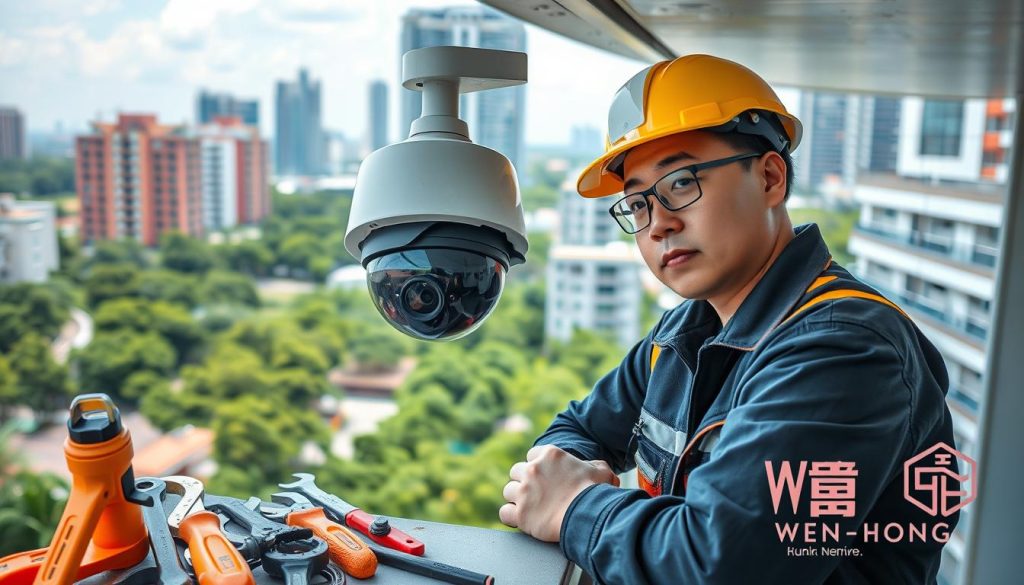
Common Issues in CCTV Systems
Knowing the common issues in CCTV systems is key to keeping surveillance reliable. Some common problems include:
- Poor video quality: This happens in about 35% of systems, often because of lens obstructions or wrong settings.
- Interference from electronics: Around 25% of systems face issues from other appliances, affecting their performance.
- Bad or misaligned cameras: This is the cause of about 20% of problems, leading to poor coverage.
- Inadequate lighting levels: This affects about 30% of setups, making it hard to see during important moments.
- Weather-related performance issues: Estimated to impact about 15% of installations, mainly in bad weather.
- Excessive light exposure: Overexposure can affect about 10% of systems, making footage unclear.
- Motion detection failures: Reported in about 25% of cases, often due to camera problems or wrong settings.
- Electrical conductivity issues: Affecting around 15% of setups, these problems often come from wrong mounting.
- Ground loop problems: Impact about 10% of installations, causing distortion or humming.
Fixing these CCTV maintenance tips can greatly improve system reliability:
- Check if the camera is powered and connected.
- Find the camera’s IP address.
- Look at ARP tables for possible conflicts.
- Make sure there are no IP conflicts.
- Update camera firmware regularly.
- Reboot the camera if it doesn’t work.
- Check the cabling for damage.
- Try factory resetting if problems continue.
- Get help from experts for complex issues.
For detailed maintenance solutions, think about hiring a professional service provider. Contact Wen Hong today at +65 60135960 to learn more about the latest CCTV solutions and offers.
How to Maintain CCTV Cameras
Keeping CCTV cameras in top shape is key for their best performance. Here are some top CCTV maintenance best practices to follow:
- Regularly clean camera lenses to prevent dirt and grime from distorting images.
- Review camera positioning at least once a month for optimal coverage and angle adjustments.
- Keep firmware updated to mitigate possible vulnerabilities and boost system capabilities.
- Inspect cables and connections for signs of wear or damage to maintain secure connectivity.
- Use automated tamper detection to alert staff of any physical vandalism attempts, even if rare.
Having a regular maintenance plan is essential. Make sure to include checks for optical clarity, electrical power sources, and data integrity. These checks can stop common problems, extend your system’s life, and keep footage clear for investigations.
Getting professional maintenance once a year is a good idea. It helps catch issues early. Also, letting people know about camera downtime can lessen its impact on security. You can choose to do it yourself or hire a third-party service, based on your needs and resources.
By following these steps, you’ll improve your CCTV system’s security. For custom solutions and expert advice on the latest CCTV tech, reach out to Wen Hong today at +65 60135960.
Conclusion
In summary, the types of maintenance for CCTV are key to keeping surveillance systems working well in Singapore. Regular checks and preventive care are essential for better security and cost savings. By doing tasks like camera checks and wiring inspections often, businesses can dodge costly repairs and security breaches.
It’s important to stick to a maintenance plan that includes monthly checks and yearly system reviews by experts. This approach stops problems like black spots and feed distortions, making sure recordings are clear and reliable. For more on maintenance and service details, check out CCTV maintenance services that cover everything you need.
To boost your security and keep up with new tech, contact Wen Hong at +65 60135960. They offer the latest CCTV solutions and special deals. Remember, CCTV maintenance is vital for protecting your assets.
FAQ
What are the different types of maintenance for CCTV systems?
There are three main types of maintenance for CCTV systems. Regular Inspections check all parts. Preventive Maintenance stops problems before they start. Corrective Maintenance fixes issues after they happen.
Why is regular maintenance important for CCTV systems?
Regular maintenance keeps systems working well. It boosts security by avoiding failures. It also makes equipment last longer and meets legal surveillance rules.
How often should CCTV systems be maintained?
A good plan is to check systems daily, inspect them monthly, and review them every quarter. This keeps the system running smoothly.
What are some best practices for maintaining CCTV systems?
Good practices include making a maintenance plan and keeping software up to date. Also, check camera focus and manage cables well to avoid damage.
How can I troubleshoot common issues in CCTV systems?
To fix common problems, clean camera lenses and check the power. Look at system logs for errors and make sure connections are tight.
What factors affect the cost of CCTV maintenance?
Costs depend on the system type, setup complexity, and service frequency. Better components might cost more upfront but save money in the long run.
How can I maintain CCTV cameras effectively?
To keep cameras in good shape, clean lenses and check their position. Update firmware and look for wear on cables and connections.
What should be included in a CCTV maintenance checklist?
A checklist should cover camera checks, wiring inspections, and data integrity checks. These ensure everything is working right.
Why is it important to maintain CCTV systems regularly?
Regular upkeep is key for clear footage and reliable surveillance. It prevents expensive fixes and boosts security in many places.
Source Links
- https://www.cctvsg.net/common-types-of-cctv/
- https://wenhong.com.sg/cctv-maintenance-services-in-singapore-reliable-efficient/
- https://bas-ip.com/articles/cctv-maintenance/
- https://clearview-communications.com/security/cctv/cctv-maintenance/
- https://www.tecservuk.com/blog/the-benefits-of-cctv-maintenance-checklist/
- https://mammothsecurity.com/blog/security-maintenance-tips
- https://www.millenniumsecurity.co.uk/2019/07/16/guide-cctv-maintenance
- https://clearview-communications.com/insights/how-businesses-benefit-from-cctv-maintenance/
- https://www.linkedin.com/pulse/importance-regular-cctv-camera-maintenance-upgrades-chandan-kumar-mr4yc
- https://www.smartsecures.com/blog/the-importance-of-regular-cctv-maintenance-boost-security-reliability-in-vijayawada
- https://www.bluechipgulf.ae/complete-guide-cctv-maintenance-services/
- https://www.faultfixers.com/blog/comprehensive-cctv-system-preventive-maintenance-checklist
- https://www.firstsolution.com.sg/blog/how-to-conduct-cctv-camera-maintenance/
- https://www.cctv-camera.com.sg/articles/cctv-maintenance-checklist.html
- https://www.caughtoncamera.net/news/cctv-maintenance-checklist/
- https://www.statesystemsinc.com/blog/cctv-preventative-maintenance-checklist/
- https://yotelecom.co.uk/the-essential-cctv-maintenance-checklist-for-businesses/
- https://connecteam.com/templates/cctv-maintenance-checklist/
- https://newvisionservicesltd.com/cctv-maintenance-tips-and-best-practices/
- https://netscaling.com/cctv-surveillance-system-maintenance/
- https://electricianphilippines.com/cctv-preventive-maintenance-a-comprehensive-guide/
- https://trainingninja.co.za/importance-of-cctv-maintenance-why-regular-maintenance-is-crucial/?srsltid=AfmBOorxfC00ZEPdxjp0pH2Pdr32OAa9507v6QTmpmoi8eYxXGsNOwVo
- https://cctvmaintenance.com.sg/cctv-services/surveillance-camera/
- https://www.caughtoncamera.net/news/common-cctv-problems-fix/
- https://www.nmcabling.co.uk/2023/02/common-cctv-problems-and-how-to-solve-them/
- https://info.verkada.com/surveillance-features/security-camera-maintenance/
- https://network-data-cabling.co.uk/blog/cctv-maintenance-guide/
- https://allroundsecurity.co.nz/blog/does-my-cctv-camera-system-need-maintenance/


