
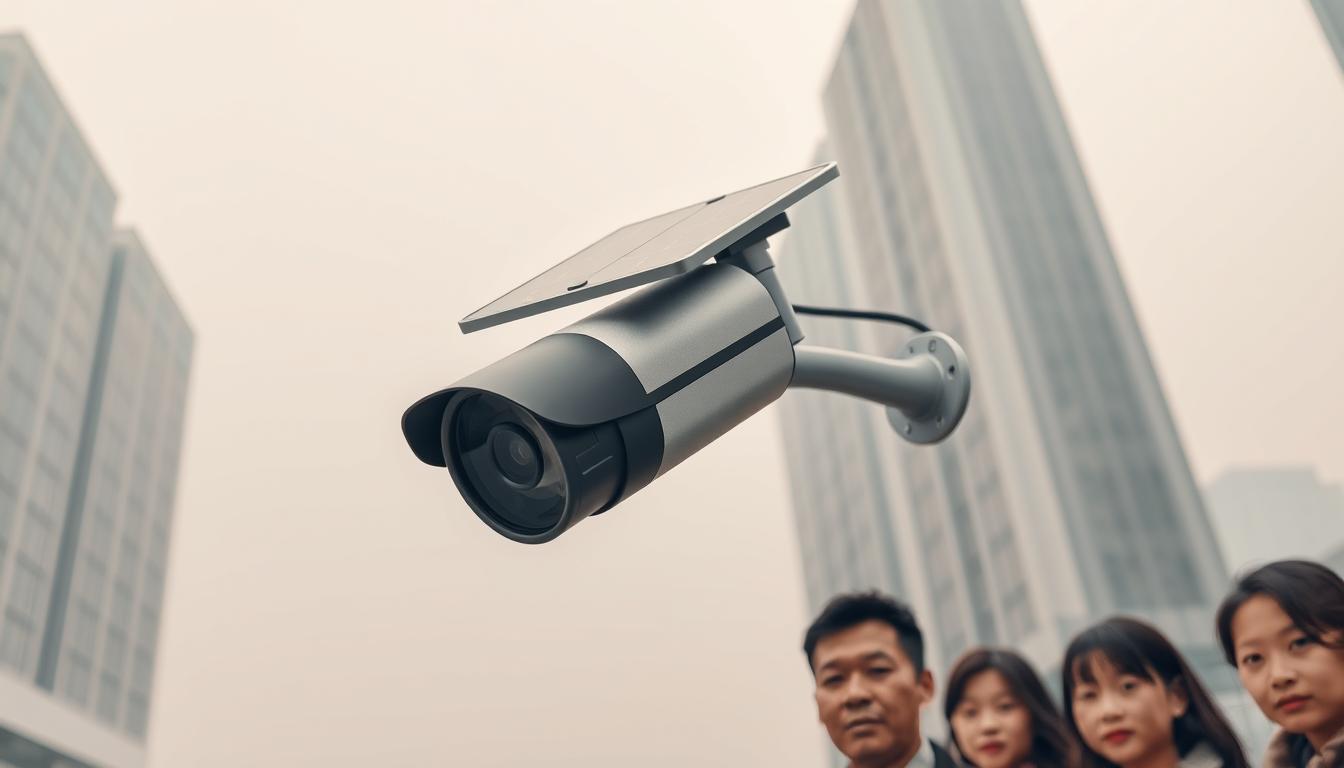
4g Solar Bullet Camera: A Comprehensive Buyer’s Guide 2023
Security solutions are evolving fast, and Singapore’s demand for reliable, off-grid surveillance is rising. With over 2,500 annual sunshine hours, solar-powered devices offer a sustainable way to keep properties safe. Pairing this with 4G connectivity ensures real-time monitoring even in remote locations.
Modern designs combine durability with smart features, making them ideal for homes and businesses. Brands like Hikvision, Dahua, and Reolink lead the market with high-performance models. This guide will help you choose the best option for your needs.
Key Takeaways
- Solar-powered security devices are ideal for Singapore’s sunny climate.
- 4G connectivity ensures remote access and real-time alerts.
- Top brands include Hikvision, Dahua, and Reolink.
- Durable designs suit both residential and commercial use.
- This guide simplifies the buying process with expert insights.
Understanding 4G Solar Bullet Cameras
Reliable monitoring no longer depends on fixed power or WiFi. These devices combine renewable energy with cellular technology for uninterrupted security. Ideal for Singapore’s climate, they offer a practical alternative to wired systems.
How Solar-Powered Surveillance Works
Built-in panels harness sunlight to charge batteries, eliminating grid dependency. Efficient energy storage ensures 24/7 operation, even during cloudy days. This makes them perfect for remote sites or areas with unstable electricity.
The Role of 4G Connectivity in Remote Monitoring
Cellular network access enables real-time alerts and video streaming. Unlike WiFi, 4G LTE covers wider areas, ensuring stable connections. Models like Hikvision support nano sim cards for easy setup.
Bandwidth requirements vary based on video quality. HD footage may need more data, but modern compression reduces usage. Milesight’s rural deployments prove how effective this technology is for off-grid locations.
Why Choose a 4G Solar Bullet Camera?
Sustainable security solutions are reshaping how properties are monitored in Singapore. These systems combine environmental responsibility with cutting-edge technology, offering reliability without compromising on performance. For homeowners and businesses alike, the shift toward renewable-powered devices is both practical and forward-thinking.
Eco-Friendly Security Solutions
By harnessing sunlight, these devices drastically reduce power consumption compared to traditional wired systems. The built-in panels charge efficiently, ensuring battery life lasts through cloudy days. Hikvision backs this innovation with a 5-year warranty on solar components, highlighting their durability.
Government incentives for green tech adoption further sweeten the deal. From tax breaks to rebates, switching to solar-powered surveillance aligns with Singapore’s sustainability goals.
Cost Savings and Long-Term Benefits
Over a 3–5 year period, the return on investment becomes clear. Eliminating electrical infrastructure cuts installation costs by up to 40%, while solar autonomy slashes monthly utility bills. No wiring means fewer maintenance headaches—just consistent, off-grid protection.
Reolink and Dahua models showcase rugged designs built to withstand tropical weather. With minimal upkeep and long-term reliability, these systems are a smart choice for forward-looking security.
Key Features to Look For
Modern surveillance systems offer advanced capabilities, but key specifications determine their effectiveness in real-world conditions. Whether for homes or businesses, prioritizing these features ensures reliable performance in Singapore’s tropical climate.
https://www.youtube.com/watch?v=Nga8DPCPIEI
Camera Resolution and Image Clarity
High-definition video (1080p or 4K) captures crisp details, crucial for identifying faces or license plates. Hikvision’s 14kg all-in-one design, for example, combines durability with 5MP resolution for sharp footage. Look for wide dynamic range (WDR) to handle glare or shadows.
Night Vision Capabilities
Infrared (IR) LEDs enable clear monitoring in low light, with ranges up to 30 meters. Advanced models use starlight sensors to enhance visibility without overexposure. For 24/7 security, ensure the camera switches seamlessly between day and night modes.
Battery Life and Solar Panel Efficiency
A robust battery life—like the Milesight SC211’s 6400mAh capacity—supports extended operation. Pair this with high-efficiency solar panels (monocrystalline outperforms polycrystalline in cloudy days). Optimal tilt angles maximize sunlight absorption, even during Singapore’s rainy season.
- Durability: Weatherproof designs (IP67-rated) resist humidity and storms.
- Storage: Local SD cards or cloud backups offer flexible recording options.
- Connectivity: Dual-band Wi-Fi or 4G LTE ensures stable remote access.
Top 4G Solar Bullet Cameras in Singapore 2023
Singapore’s security market now offers cutting-edge surveillance options that blend renewable energy with smart technology. Leading brands deliver rugged, wire-free designs with features like starlight night vision and app-controlled settings. Here are the top models dominating the scene.
Hikvision Solar-Powered Security Cameras
Hikvision’s models excel in durability and clarity. Their 5MP resolution captures crisp details, while weatherproof IP65 ratings withstand tropical storms. Time-lapse recording and efficient data compression optimize storage and bandwidth.
Dahua Imou Cruiser 4G Pan-Tilt Camera
This pan-tilt model offers 360° coverage with a nano sim card slot for easy 4G setup. Its solar panel compatibility ensures continuous operation, and the app allows remote configuration. Ideal for large properties needing flexible angles.
Reolink Go: A Versatile Option
Reolink’s 100% wireless design is perfect for remote sites. With starlight sensors for low-light clarity and a 6400mAh battery, it thrives off-grid. The IP65 rating guarantees resilience against humidity and rain.
- Key Features Across Models:
- App-based controls for real-time alerts
- Solar-ready designs for sustainable power
- Military-grade weather resistance
Comparing Solar vs. Traditional CCTV Systems
Energy-efficient surveillance is no longer a luxury but a necessity in today’s eco-conscious world. Modern solar-powered systems outperform wired alternatives in flexibility and sustainability, making them ideal for Singapore’s urban and remote areas alike.
Installation Flexibility
Wire-free designs eliminate complex wiring, reducing setup time by 70%. Solar models like Milesight deploy in minutes, even in off-grid locations. Traditional systems require costly trenching and grid access.
Power Consumption and Environmental Impact
Solar setups use just 0.8kWh monthly—a 95% drop from wired systems’ 15kWh demand. The 46.08Wh battery capacity ensures uninterrupted operation. This slashes carbon emissions by 80% annually.
- Energy recovery: Solar panels offset their manufacturing footprint within 2 years.
- Recyclability: 90% of components are reusable, reducing e-waste.
- Noise pollution: Silent operation vs. humming wired units.
For optimal solar CCTV setups, explore professional installation guides. The right choice balances power consumption with environmental responsibility.
Installation Tips for Optimal Performance
Strategic placement and connectivity are crucial for seamless security monitoring. Whether for homes or businesses, these guidelines ensure your system operates at peak efficiency in Singapore’s unique conditions.
Choosing the Right Location
Position the device where sunlight exposure is maximized—typically rooftops or unobstructed walls. Avoid shaded areas to maintain consistent battery life. For urban settings, test angles using mobile apps to avoid glare from nearby buildings.
Ensure the mounting surface is stable. Heavy rain and wind are common, so reinforced brackets prevent misalignment. Durability matters as much as visibility.
Ensuring Reliable 4G Connectivity
Check local network coverage maps (Singtel, M1, or StarHub) to confirm signal strength. Rural areas may need external antennas or signal boosters for stable streaming.
Use a sim card with adequate data plans—5GB/month suffices for standard HD footage. Enable failover to WiFi if cellular signals drop, ensuring uninterrupted alerts.
- Signal Boosters: Amplify weak signals in remote locations.
- Data Management: Opt for plans with rollover data to avoid overages.
- SIM Security: Password-protect SIM access to prevent tampering.
Maintenance and Care for Longevity
Proper upkeep ensures your security system delivers peak performance year after year. Simple routines prevent wear and tear, while proactive checks catch issues early. Here’s how to keep your setup running smoothly.
Cleaning and Panel Maintenance
Dust and debris reduce efficiency. Wipe panels monthly with a microfiber cloth to maximize sunlight absorption. Avoid harsh chemicals—water and mild soap suffice.
Inspect connectors for corrosion, especially in humid climates like Singapore. Tighten loose wires to prevent voltage drops. Most brands offer diagnostic apps to track battery health and panel output.
Regular System Checks
Schedule monthly reviews of firmware updates. Outdated software can disrupt operation or expose vulnerabilities. Enable auto-updates where possible.
- Test storage capacity: Ensure SD cards or cloud backups aren’t full.
- Monitor voltage fluctuations: Sudden spikes may indicate wiring faults.
- Emergency protocols: Verify backup power activates during outages.
“A 10-minute monthly check can add years to your system’s lifespan.”
Applications of 4G Solar Bullet Cameras
From residential safety to industrial monitoring, advanced surveillance adapts to diverse environments. These systems offer tailored solutions for homes, businesses, and public spaces, leveraging renewable energy and cellular connectivity.
Residential Security
Homeowners benefit from wire-free setups that deter intruders and monitor property boundaries. Real-time alerts notify residents of suspicious activity, while night vision ensures 24/7 coverage. Solar autonomy eliminates reliance on grid power during outages.
Commercial and Industrial Use
Businesses deploy these systems for multifaceted functions, from theft prevention to operational efficiency. Milesight’s 98% vehicle capture rate aids in traffic flow analysis, while illegal dumping prevention systems protect remote sites.
- Construction sites: Monitor equipment theft and worker safety.
- Inventory yards: Track shipments with timestamped footage.
- Hazardous storage: Ensure compliance with safety protocols.
“Versatile surveillance cuts costs while enhancing security across sectors.”
Future Trends in Solar-Powered Surveillance
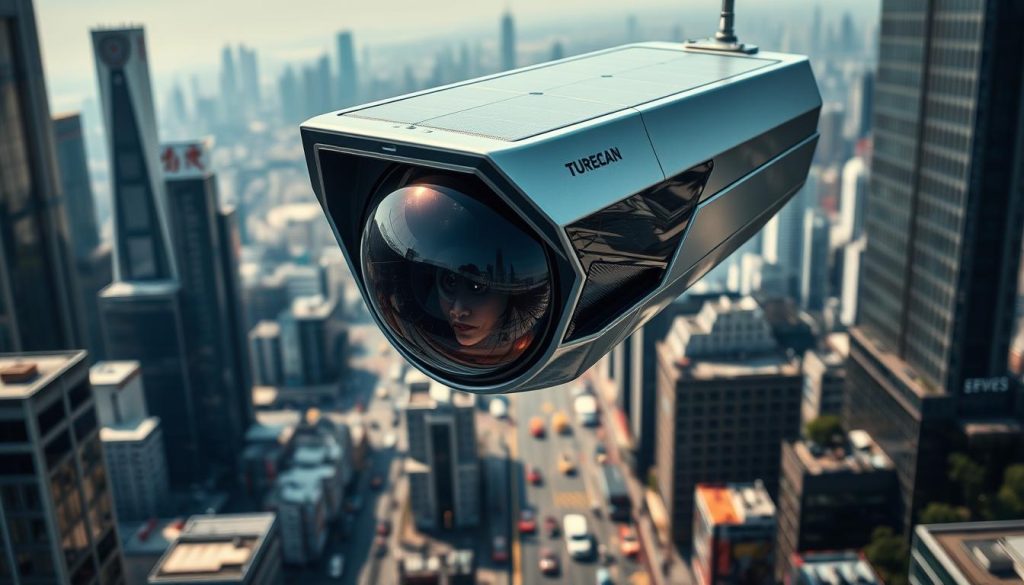
Innovation in security technology is accelerating, bringing smarter, self-sufficient solutions to market. The next decade will see devices that think, adapt, and conserve energy like never before. From AI-driven analytics to decentralized security layers, here’s what’s on the horizon.
Breakthroughs in Battery Tech
Solid-state batteries promise 3x longer lifespans and faster charging. Brands like Dahua are testing prototypes that withstand Singapore’s humidity while maintaining efficiency. Expect 72-hour backup power even during monsoons.
Energy harvesting is another leap. Cameras may soon recharge via ambient light or kinetic motion, reducing reliance on panels. These advancements align with global pushes for greener tech.
Seamless Smart Home Integration
Matter protocol compatibility ensures these systems sync effortlessly with smart home ecosystems. Voice control via Alexa or Google Assistant adds hands-free convenience. Imagine saying, “Show me the backyard,” and getting live footage instantly.
- AI-powered threat analysis: Cameras distinguish between pets, intruders, and falling branches.
- 5G network readiness: Ultra-low latency enables real-time emergency response coordination.
- Blockchain security: Encrypted footage logs prevent tampering for legal evidence.
“The future isn’t just wireless—it’s self-learning and sustainable.”
Making the Right Choice for Your Security Needs
Selecting the best security setup depends on your specific needs and environment. Start by evaluating coverage areas, budget, and long-term goals. A well-planned decision ensures reliable protection without unnecessary costs.
Compare vendors based on durability, warranty terms, and local support. Brands like Hikvision and Reolink offer extended coverage, which is crucial for tropical climates. Check if upgrades are easy to integrate as your solutions evolve.
Create a simple checklist:
- Match features to your property size and risks
- Balance upfront costs with energy savings
- Prioritize weather-resistant designs
This approach helps you invest wisely in a system that grows with your requirements.
FAQ
How does a solar-powered security camera work?
These devices use panels to convert sunlight into energy, stored in a rechargeable battery. This eliminates the need for wired electricity, making them ideal for remote locations.
What is the average battery life on a single charge?
Depending on usage and sunlight exposure, most models last 5-7 days. Efficient power management ensures continuous operation even during cloudy days.
Can these cameras function at night?
Yes, they feature infrared or PIR detection for clear night vision. Some models also include motion-activated lighting for enhanced security.
Do they require a SIM card for 4G connectivity?
Yes, a compatible SIM is needed for cellular transmission. This allows real-time alerts and remote viewing without Wi-Fi dependency.
What storage options are available for recorded footage?
Many support microSD cards or cloud storage. Some advanced models offer both, ensuring reliable data backup even in harsh environments.
How weather-resistant are these surveillance devices?
Most have IP65 or higher ratings, protecting against dust and heavy rain. Proper placement ensures durability in extreme conditions.
What factors affect solar panel efficiency?
Sunlight exposure, panel angle, and cleanliness impact performance. Regular maintenance prevents dust buildup that could reduce power generation.
Can multiple cameras be linked for broader coverage?
Yes, many systems support network integration. This creates a scalable security solution for large properties or commercial spaces.
How does motion detection work on these units?
Advanced PIR sensors distinguish between humans, animals, and objects. Customizable sensitivity reduces false alarms while maintaining protection.
Are there monthly fees for remote monitoring?
Basic functions work without subscriptions, but some cloud services may require fees. Local storage options eliminate recurring costs.
Post Tags : 4G solar surveillance camera Bullet camera with 4G connectivity Night vision bullet camera Outdoor solar camera system Remote monitoring 4G camera Smart home security solution Solar panel security camera Solar-powered security camera Weatherproof solar surveillance camera Wireless solar-powered camera


