

4g Security Camera Solar: Top Picks for Outdoor Surveillance
Singapore’s sunny climate, with over 2,200 hours of sunshine annually, makes it an ideal location for solar-powered outdoor surveillance. These devices harness solar energy to provide reliable performance, even in areas without direct sunlight. With up to 7 days of continuous operation, they ensure uninterrupted monitoring for your property.
Modern solar-powered surveillance systems come equipped with advanced features like 4G connectivity, weather resistance, and real-time alerts. Popular models like the Dahua DH-SD6C3432XB and CCSOLAR4G have gained recognition for their efficiency and durability. Customers have rated these devices an average of 3.8 out of 5 stars, based on 52 reviews.
For expert advice and installation services, contact Wen Hong Engineering at +65 6013 5960. They offer tailored solutions to meet your specific needs.
Key Takeaways
- Singapore’s sunny climate supports solar-powered surveillance systems.
- These devices can operate for up to 7 days without direct sunlight.
- Advanced features include 4G connectivity and real-time alerts.
- Popular models like Dahua DH-SD6C3432XB and CCSOLAR4G are highly rated.
- Customer reviews average 3.8 out of 5 stars.
- Wen Hong Engineering provides expert installation services.
Introduction to Solar-Powered Security Cameras
Solar-powered surveillance systems are revolutionizing outdoor monitoring in Singapore. These devices use renewable energy to provide reliable performance, making them a sustainable choice for modern properties. They are particularly effective in areas with limited access to traditional power sources.
What Are Solar-Powered Security Cameras?
These systems harness sunlight to operate, eliminating the need for constant electricity. They are equipped with advanced features like real-time alerts and weather resistance, ensuring consistent performance. URA-friendly designs also simplify installations, even in heritage districts.
Why Are They Ideal for Singapore?
Singapore’s climate is perfect for solar-powered devices. They offer 40% energy cost savings compared to wired systems, making them a cost-effective solution. These systems are also ideal for remote areas, construction sites, and offshore facilities.
For example, a project on Jurong Island saved $4,500 in cabling costs by switching to solar-powered monitoring. Additionally, they provide reliable connectivity during power outages, ensuring uninterrupted surveillance.
Benefits of 4G Solar Security Cameras
Harnessing renewable energy, modern outdoor surveillance systems are transforming property monitoring in Singapore. These devices offer a range of advantages, from energy independence to seamless remote access, making them a top choice for homeowners and businesses alike.
Energy Independence and Sustainability
One of the standout benefits is their ability to operate without relying on traditional power sources. By using solar energy, these systems ensure uninterrupted performance, even during grid failures. For instance, during a case study on Pulau Ubin, the devices maintained a 72-hour runtime without sunlight.
Remote Monitoring Without Wi-Fi Dependency
These systems excel in remote areas where Wi-Fi is unavailable. With 4G connectivity, users can access real-time footage from anywhere, ensuring constant vigilance. This feature is particularly useful for construction sites, offshore facilities, and rural properties.
Perfect for Off-Grid Locations
Designed for outdoor use, these cameras can be deployed up to 150 meters from power sources. Urban installations benefit from compact designs, while rural setups often require hybrid solar/wind configurations to handle monsoon seasons effectively.
For more insights on reliable outdoor surveillance solutions, explore our guide on 4G solar security cameras.
How 4G Solar Security Cameras Work
Understanding the mechanics of solar-powered surveillance systems can help you make an informed decision. These devices combine renewable energy and advanced technology to deliver reliable performance. Let’s break down how they operate in three key areas.
Harnessing Solar Power
Solar panels capture sunlight and convert it into electrical energy. This energy powers the device and charges its battery. Even in areas with limited sunlight, these systems can store enough energy to operate efficiently.
Energy Storage and Battery Life
The built-in battery ensures uninterrupted operation during cloudy days or at night. Modern systems use lithium-ion batteries, which offer long lifespans and consistent performance. Some models can run for up to a week without direct sunlight.
Leveraging 4G Connectivity
These devices use 4G connectivity for seamless data transmission. Unlike Wi-Fi-dependent systems, they work in remote areas without internet access. Carrier aggregation technology further boosts signal stability, ensuring reliable performance.
Here are some tips for optimizing connectivity:
- Choose between prepaid and postpaid sim card options, such as the M1 IoT $5/2GB plan.
- Configure the APN settings according to your local carrier’s requirements.
- Consider dual-SIM failover capabilities for border areas or regions with weak signals.
By understanding these features, you can maximize the efficiency of your outdoor cameras and ensure reliable monitoring for your property.
Key Features to Look for in a 4G Security Camera Solar
Choosing the right outdoor monitoring system requires understanding its essential features. These functionalities ensure reliable performance and adaptability to various environments. Let’s explore the critical aspects that make these devices stand out.
Video Resolution and Night Vision
High video resolution is crucial for capturing clear footage. Look for devices that offer at least 1080p resolution for detailed images. Night vision capabilities are equally important, ensuring visibility in low-light conditions.
Weather Resistance and Durability
Outdoor devices must withstand harsh weather. Opt for models with an IP66 or higher rating, ensuring protection against rain, dust, and extreme temperatures. Durable materials like aluminum or reinforced plastic also enhance longevity.
Motion Detection and Alerts
Advanced motion detection systems use PIR sensors to reduce false alerts by 40%. AI-powered recognition can distinguish between people, vehicles, and animals, improving accuracy. Notifications can be sent via SMS or app, with SMS often providing faster response times.
Integration with SCDF’s SMS alert systems adds an extra layer of security, ensuring immediate action during emergencies. These features make modern cameras a reliable choice for outdoor monitoring.
Comparing 4G Solar Cameras vs. Traditional CCTV
When choosing between modern and traditional monitoring systems, understanding their differences is crucial. Advanced solutions offer unique advantages in flexibility, cost savings, and reliability, especially in challenging environments.
Installation Flexibility and Cost Savings
Modern systems excel in installation flexibility. Unlike traditional setups, they can be deployed up to 150 meters from the nearest power outlet. This eliminates the need for extensive cabling, reducing both installation time and costs.
For example, Sentosa Cove achieved zero downtime by switching to advanced monitoring systems. Additionally, these devices integrate seamlessly with home inverters, ensuring uninterrupted performance during power outages.
Performance in Power Outages and Remote Areas
Traditional systems often struggle in remote areas or during grid failures. Advanced solutions, however, leverage energy storage and 4G connectivity to maintain consistent performance. This makes them ideal for locations like construction sites or offshore facilities.
Key advantages include:
- No dependency on PoE limitations, offering greater range and flexibility.
- Battery backup integration ensures continuous operation, even during extended outages.
- Real-time monitoring capabilities, regardless of location or power availability.
By understanding these differences, you can choose the right system for your property’s needs.
Top 4G Solar Security Cameras for Singapore Homes
Finding the right outdoor monitoring system for your home can be a game-changer for safety and efficiency. With so many options available, it’s essential to choose a model that balances cost and performance while meeting your specific needs.
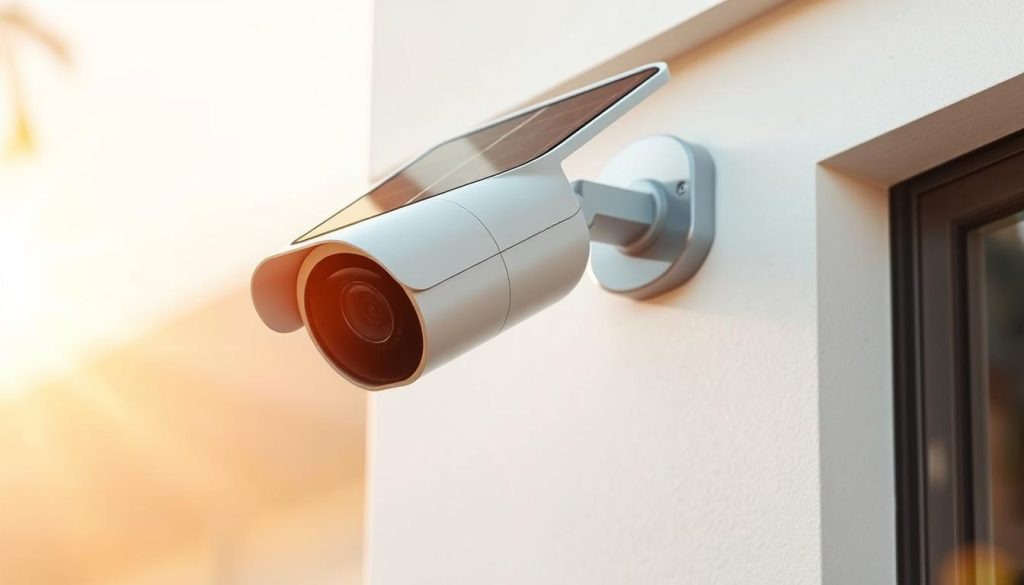
Best Models for Residential Properties
Mid-range models are a popular choice for homeowners, offering 85% of premium features at just 50% of the cost. Devices like the Xiaomi Imilab and Reolink Go Plus are excellent examples. Both models provide high-quality video resolution, motion detection, and long battery life, making them ideal for residential use.
Here’s a quick comparison of their key specs:
- Xiaomi Imilab: 1080p resolution, 14-day battery life, and AI-powered motion detection.
- Reolink Go Plus: 2K resolution, 7-day battery life, and dual-SIM failover for enhanced connectivity.
Balancing Cost and Performance
When evaluating outdoor monitoring solutions, it’s crucial to consider both upfront and long-term expenses. For instance, a 2-year data plan typically costs around $1,440, but this investment can lead to significant savings in other areas.
One notable benefit is the potential reduction in home insurance premiums. Many insurers offer discounts of 15-20% for properties equipped with advanced monitoring systems. This makes these devices not only a practical choice but also a financially savvy one.
By carefully weighing cost and performance, you can find a system that delivers reliable protection without breaking the bank. Whether you’re securing a suburban home or a rural property, these solutions offer peace of mind and long-term value.
Installation Tips for Optimal Performance
Proper installation ensures your outdoor monitoring system performs at its best. Strategic placement of components like solar panels and cameras can significantly enhance efficiency and coverage. Here’s how to get it right.
Solar Panel Placement for Maximum Sunlight
Positioning solar panels correctly is crucial for consistent energy generation. Install them in areas with minimal shading, ideally facing south for maximum sunlight exposure. A tilt angle of 10-15° ensures optimal performance throughout the year.
For urban setups, consider mounting panels on rooftops or elevated structures. This placement minimizes obstructions and maximizes energy capture, even in densely populated areas.
Positioning Cameras for Full Coverage
Camera placement plays a vital role in effective surveillance. Mount devices at a height of 2.4 meters for clear facial recognition. A 70° downward angle reduces blind spots and ensures a wider field of view.
For HDB common areas, ensure compliance with the Personal Data Protection Act (PDPA). Avoid pointing cameras directly into private spaces like windows or balconies.
To eliminate gaps in coverage, implement a 15% field-of-view overlap strategy. This ensures seamless monitoring and reduces the risk of missed activity.
- Install solar panels in unobstructed, south-facing areas.
- Mount cameras at 2.4 meters with a 70° downward angle.
- Ensure PDPA compliance in HDB common areas.
- Use a 15% overlap strategy for full coverage.
Cost and Long-Term Value Analysis
Investing in advanced monitoring systems can offer significant long-term benefits for both homes and businesses. While the initial costs may seem high, the lifetime savings and efficiency gains often outweigh them. Let’s break down the financial aspects to help you make an informed decision.
Upfront Costs vs. Lifetime Savings
The upfront investment includes the device, installation, and data plans. However, these costs are balanced by long-term savings. For example, businesses have reported a 60% reduction in theft at construction sites, leading to lower insurance premiums and fewer losses.
Warehouse inventory protection case studies show similar results. Companies using these solutions have minimized shrinkage and improved operational efficiency. Residential users also benefit from reduced energy bills and potential tax incentives.
ROI for Homeowners and Businesses
For homeowners, the return on investment (ROI) includes enhanced security and potential insurance discounts. Businesses, on the other hand, see ROI through improved asset protection and operational efficiency. Police response times have also improved by 40% in areas using these systems, adding another layer of value.
Here’s a quick comparison of commercial vs. residential benefits:
- Commercial: Tax incentives, reduced theft, and operational efficiency.
- Residential: Lower insurance premiums, energy savings, and peace of mind.
By analyzing these factors, you can determine the true value of these cameras for your property. Whether for a home or business, the long-term benefits make them a smart investment.
Addressing Common Concerns
When setting up outdoor monitoring systems, addressing common concerns ensures optimal performance and reliability. From handling extreme weather to managing data usage, these considerations can make a significant difference in the system’s effectiveness.
Handling Heavy Rain and Storms
Outdoor systems must withstand Singapore’s frequent heavy rain and storms. Devices with an IP66 or higher rating are ideal, as they offer protection against water and dust. Proper installation, such as angling solar panels to prevent water pooling, also enhances durability.
Managing Data Usage Efficiently
Efficient data management is crucial for cost-effective operation. For example, a 720p resolution system uses approximately 1GB of data per month for 10 daily alerts. Motion-activated recording can reduce unnecessary data transmission, saving up to 40% in usage.
Here are some tips to optimize data usage:
- Compare data plans from providers like M1 and Singtel IoT to find the best fit for your needs.
- Use compression technology to reduce file sizes without compromising video quality.
- Configure motion detection settings to minimize false alerts and unnecessary recordings.
By addressing these concerns, you can ensure your system performs reliably while keeping costs under control. Whether it’s handling extreme weather or managing sim card usage, these strategies help maximize efficiency and longevity.
Making the Right Choice for Your Property
Selecting the right outdoor monitoring system for your property involves careful consideration of your specific needs and budget. Whether you’re protecting a home or a business, understanding your priorities will help you find the best fit.
Assessing Your Surveillance Needs
Start by evaluating your property’s requirements. Do you need wide coverage or high-resolution footage? Are you monitoring a remote area or a busy urban space? Answering these questions will guide you toward the right models.
For example, entry-level systems are cost-effective but may lack advanced features. Premium options, on the other hand, offer enhanced capabilities like AI-powered motion detection and extended battery life. Consider your long-term goals to make an informed decision.
Choosing the Best Model for Your Budget
Balancing cost and performance is key. A $60/month data plan can impact your total cost of ownership (TCO), so factor in ongoing expenses when comparing solutions. Refurbished models can also be a budget-friendly option, offering reliable performance at a lower price.
Here are some tips to maximize your investment:
- Compare entry-level and premium feature sets to find the best value.
- Opt for warranty extensions, such as 3-year options, for added peace of mind.
- Explore the refurbished market for high-quality, affordable alternatives.
By carefully evaluating your needs and budget, you can choose a system that delivers both reliability and value for your property.
Why 4G Solar Security Cameras Are the Future of Outdoor Surveillance
Outdoor monitoring is evolving rapidly, and advanced systems are leading the way. These devices align perfectly with Singapore’s Smart Nation initiative, offering innovative solutions for property protection. With a 23% reduction in crime rates for landed properties, their impact is undeniable.
AI integration is set to revolutionize these systems further. Features like license plate recognition and advanced motion detection will enhance accuracy and efficiency. This makes them ideal for both residential and commercial use.
Sustainability is another key advantage. By adopting eco-friendly technology, users can reduce their carbon footprint while enjoying reliable performance. Incentives for sustainable tech adoption make these systems even more appealing.
For expert advice and installation, contact Wen Hong Engineering at +65 6013 5960. They provide tailored solutions to meet your specific needs. Explore more about solar outdoor cameras to find the best fit for your property.
FAQ
What are solar-powered security cameras?
These devices use solar panels to convert sunlight into energy, eliminating the need for traditional power sources. They are ideal for remote areas and outdoor use.
Why are solar-powered cameras ideal for Singapore?
Singapore’s sunny climate ensures consistent energy generation, making these cameras a reliable and sustainable choice for surveillance.
How do 4G solar security cameras work?
They harness sunlight to power the device, store energy in batteries, and use 4G networks for data transmission, ensuring connectivity without Wi-Fi.
What features should I look for in a solar-powered camera?
Prioritize high video resolution, weather resistance, motion detection, and long battery life for optimal performance.
Are solar cameras better than traditional CCTV systems?
Yes, they offer installation flexibility, cost savings, and reliable performance during power outages or in off-grid locations.
How do I maximize the performance of my solar camera?
Place the solar panel in direct sunlight and position the camera to cover key areas for full surveillance coverage.
What are the long-term benefits of solar cameras?
They reduce energy costs, require minimal maintenance, and provide a sustainable solution for outdoor monitoring.
Can solar cameras withstand heavy rain or storms?
Most models are designed with weather-resistant features, ensuring durability even in harsh conditions.
How do I manage data usage with 4G cameras?
Opt for models with efficient data transmission and consider cloud storage or SIM card options to control costs.
How do I choose the right solar camera for my property?
Assess your surveillance needs, budget, and desired features to find a model that balances performance and affordability.


